
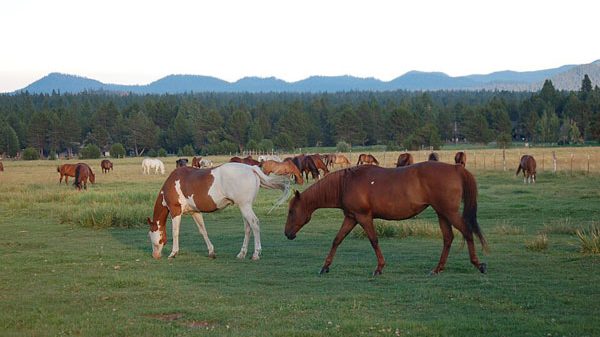
The phrase "five acres" sounds promising until you discover that two acres are steep forest, one is occupied by the house and driveway, and the remaining land turns wet every winter. For an equestrian buyer, usable acreage is far more important than the number printed in the listing.
Start with the horses, not the house
Luxury buyers naturally notice the residence first. On an equestrian property, I would reverse the order for at least part of the showing. Walk the paddocks, barn, arena, gates, manure area and access routes. Look at how feed arrives and how a trailer moves through the property.
A beautifully renovated house does not fix an awkward farm layout. The best properties make daily care easier before you even step inside the residence.
Drainage is a Vancouver Island question
Winter conditions can reveal far more than a summer showing. Low areas that look lush in July may become muddy for months. Paddock footing, field drainage, roof runoff and routes between the barn and turnout deserve attention.
If possible, ask for photos from the wet season. Look at where water naturally moves across the land and whether improvements appear to have been designed around that pattern.
Indoor and outdoor arenas are not interchangeable
An outdoor arena can be excellent when it has appropriate footing, drainage and orientation. An indoor arena adds year-round convenience but also brings a significant building to inspect and maintain.
Do not judge an arena only by dimensions. Look at footing depth and condition, lighting, dust control, drainage, roof condition, ventilation and access. If your discipline needs a specific size, measure rather than relying on a listing description.
The barn should fit how you actually keep horses
A charming older barn can be one of the reasons a property feels special, but aisle width, stall size, ventilation, tack storage, wash areas, electrical systems and hay storage all deserve a practical review. Newer is not automatically better, but an attractive conversion may still need work to function well.
Think about winter chores at 6 a.m., not just a sunny afternoon showing. Can you get from the house to the barn easily? Is there enough light? Can machinery reach the areas it needs to reach?
Fencing is a major asset when it is already right
Good fencing across several acres represents time and money that buyers often underestimate. Check materials, gates, corners and how paddocks connect. If you have specific horse-management preferences, the existing configuration may save substantial work or may need to be redesigned.
Hay, manure and trailers need places to go
The parts of horse ownership that never appear in glossy listing photos have a big effect on whether a property works well. Hay needs dry storage with practical delivery access. Manure needs a management plan and a location that does not interfere with the house, neighbours or drainage. Trailers need enough room to turn, park and leave without damaging lawns or creating a daily obstacle course.
These details become even more important on a high-end estate where the residential landscaping and equestrian areas are meant to coexist. A thoughtful layout keeps the working side of the property efficient without making the main house feel like it sits in the middle of a yard.
Outbuildings and future improvements need due diligence
Buyers often arrive with a list of future plans: add stalls, cover the arena, build a larger shop, create staff accommodation or divide a field into more paddocks. Before paying for that potential, confirm the zoning and permit history and ask whether the site can realistically support the change.
Older barns and arenas also deserve a close look at structure, electrical service, roofing and drainage. A large building can be expensive to correct if it was poorly constructed or has reached the end of its practical life.
Location changes the type of equestrian property available
Greater Victoria has horse properties in areas such as Central Saanich, rural Saanich, North Saanich, Metchosin and the Highlands. Buyers willing to move farther north can find larger rural properties in the Cowichan Valley, Cobble Hill, Shawnigan Lake and other Island communities.
Proximity to trainers, veterinary services, feed suppliers, trails, show facilities and your daily work matters. A larger property is not necessarily a better property if the location makes ordinary life difficult.
Separate residential luxury from equestrian quality
Some buyers want a serious horse facility with a comfortable home. Others want an estate-quality residence where keeping a few horses is part of the lifestyle. Those are different searches and can lead to very different budgets.
Be clear about which side carries more weight. A competition-focused rider may compromise on the kitchen for the right arena and turnout. Another buyer may care more about the house, privacy and gardens as long as there is safe space for two horses.
MLS® filters miss good horse properties
The Vancouver Island equestrian properties for sale page gathers current listings that fit the category, but horse properties are not always described consistently. A listing may emphasize acreage or a shop and barely mention the barn. Another may use the word equestrian for a property with very limited usable land.
If your search requires an indoor arena, a certain number of stalls, flat turnout or trailer access, tell me exactly what you need. Manual screening is often the fastest way to avoid unsuitable properties.