
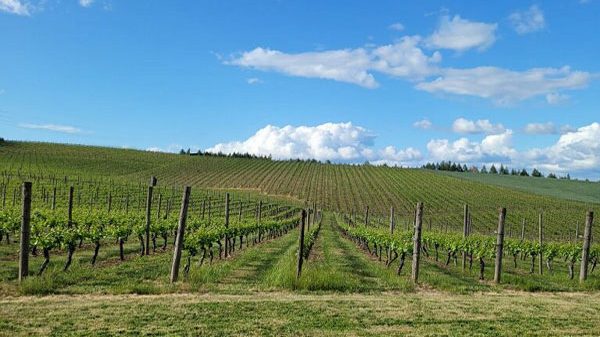
A vineyard estate can be one of the most appealing forms of rural luxury on Vancouver Island. It can also be several properties in one: a home, agricultural land, an operating business, production space, hospitality space and a collection of improvements that all need to work together.
First decide whether you want vines or a winery business
These are not the same purchase. Some buyers want a beautiful rural residence with established vines and no interest in operating a commercial winery. Others are specifically looking for production capacity, a tasting room, brand value, equipment and the ability to continue a business.
The real estate search becomes much clearer once that distinction is made. A lifestyle vineyard can be evaluated primarily as land and residence. An operating winery requires separate attention to financial records, licenses, inventory, equipment, employees, contracts and brand assets.
The Cowichan Valley is a natural place to look
Vancouver Island's winery and vineyard market is spread out, but the Cowichan Valley is one of the most established areas for buyers who want agricultural land with an existing wine connection. Central Saanich and other parts of the Island can also produce interesting opportunities.
The right location depends on what you want the property to do. A buyer focused on privacy and an estate setting may prioritize views and residence quality. Someone planning public tastings or events needs to think about road access, parking, neighbours and commercial permissions.
Water is part of the property story
Acreage buyers should understand the water source, capacity and infrastructure rather than assuming a green property has abundant water year-round. Wells, irrigation systems, storage and drainage can all become important. Agricultural production places different demands on water than a conventional house.
Ask how the vines have been irrigated, what records are available and whether the current system matches your future plans. If expansion is part of the dream, evaluate the undeveloped land rather than assuming every open acre can support more vines.
ALR and zoning questions belong near the beginning
Many agricultural properties on Vancouver Island are affected by the Agricultural Land Reserve and local zoning. Those rules can shape housing, secondary residences, events, retail activity, processing, accommodation and other uses.
Do not base a purchase on an idea for weddings, guest cottages, a restaurant or expanded commercial use until the relevant rules have been reviewed. A beautiful site does not guarantee a proposed use will be permitted.
Look at the buildings as a system
A winery property may include a main house, guest accommodation, barns, production buildings, barrel storage, tasting areas, workshops and equipment shelters. Their condition and placement affect both the lifestyle and the operation.
A polished tasting room can attract attention in photos, but a buyer should also look closely at the less glamorous spaces. Is there enough storage? Can delivery vehicles turn around? Are production areas practical? Does the residence still feel private when customers or staff are on site?
Microclimate can change from one property to the next
Vancouver Island has broad wine-growing regions, but a vineyard does not perform simply because it is located in a recognized area. Slope, sun exposure, frost pockets, drainage, wind and surrounding terrain can create very different conditions within a short distance.
That is another reason to rely on viticultural expertise when the vines are a meaningful part of the purchase. Historical production records, varieties already planted and how the site has performed over several seasons can tell a more complete story than a picturesque view across the rows.
Keep the real estate and business values separate in your mind
A beautiful residence on 20 acres may have strong real estate value even if the winery operation is modest. The reverse can also happen: a profitable business may operate from functional buildings that are less appealing as a luxury home.
When both are being sold together, buyers should understand how the purchase price is being allocated and what assets are included. Equipment, inventory, trademarks, customer lists and other business items are different from land and buildings. Appropriate legal, accounting and industry advice becomes important once the transaction goes beyond real estate alone.
The vines themselves need expertise
Real estate experience does not replace viticultural knowledge. If existing vines contribute materially to the purchase, bring in someone qualified to evaluate them. Variety, age, health, trellising, soil, drainage and past management can all affect what you are actually buying.
The same applies to equipment and winery assets. A specialist can help distinguish equipment with real remaining value from items that will need early replacement.
A vineyard can still be a home first
Not every buyer wants the property to become a bigger business. Some of the most appealing estates are attractive precisely because the agricultural use remains at a manageable scale and the residence has privacy from the working areas.
Think about ordinary days. Where do guests park? Can you enjoy the pool or patio while work is happening elsewhere? Is the main home positioned for views, or was the site planned primarily around agriculture? These details have a major effect on whether the property feels like a luxury estate or simply a farm with an expensive house.
Search the real estate and the operation separately
The Vancouver Island wineries and vineyards for sale page is the starting point for current opportunities. Because MLS® descriptions are inconsistent, some relevant properties may appear as farms, acreages or estates without using the words winery or vineyard prominently.
If you are looking for a particular acreage, operating scale, residence quality or combination of buildings, a manual search can catch properties that a simple keyword filter misses.