
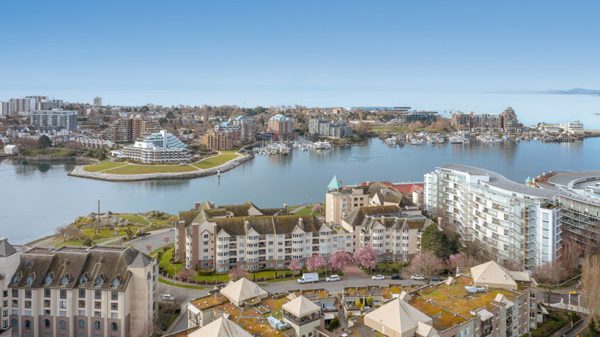
Waterfront homes around Victoria can look similar in listing photos and live very differently once you spend time on the property. Two houses may both have an ocean view, but one may have a usable beach and sheltered water while the other sits above exposed rock with no practical way to reach the shoreline.
Start by deciding what waterfront means to you
Some buyers want to launch a kayak before breakfast. Others want a dramatic view and do not care whether they ever step onto the beach. A boater may place more value on protected water, depth and the possibility of moorage than on the house itself. Someone else may prefer high-bank privacy and a wider view.
That is why the first question should not be simply, "Is it waterfront?" It should be, "How do I want to use the waterfront?" Once that is clear, many properties become easier to rule in or out.
Low bank, high bank and everything between
Low-bank waterfront can make the ocean feel like part of the yard. It may be easier to reach a beach, launch a paddleboard or carry gear down to the water. The tradeoff is that low-lying land can bring different drainage, storm and exposure questions. A property that feels wonderfully close to the water on a calm summer day deserves another look during winter weather.
High-bank waterfront often provides a commanding outlook and can create more separation from the shoreline. Access may involve stairs, steep paths or no practical route at all. Buyers who picture daily water access should walk the route themselves instead of relying on aerial photos.
Exposure changes the experience
Victoria's coastline includes protected coves, open Strait of Juan de Fuca exposure and quieter stretches around the Saanich Peninsula. Wind, salt spray and wave action can affect patios, windows, exterior materials, landscaping and how often outdoor spaces feel comfortable.
A west-facing deck can be spectacular in the evening, but exposure may also mean stronger weather. A protected cove can feel calmer and better suited to small boats, but it may not have the same long-distance view. Neither is automatically better.
Do not assume a dock is possible
Owning land beside the ocean does not automatically mean you can build whatever you want on the foreshore. In British Columbia, most saltwater and freshwater foreshore is Crown land. Private moorage can require provincial authorization, and local, federal and environmental requirements may also apply.
If a dock is important, investigate it before treating it as part of the property's future potential. Existing docks deserve their own due diligence as well. Ask what approvals exist, what exactly was authorized and whether the structure matches the paperwork. The Province of British Columbia maintains current guidance for private moorage on Crown land.
Privacy can be different on the water
A large waterfront lot is not always private. Neighbouring homes can look directly across a cove, public trails may run nearby, and boats can pass surprisingly close to shore. At the same time, some narrow lots feel very private because of mature landscaping, topography and the direction the house faces.
Spend time in the principal rooms and outdoor spaces. Look sideways, not just straight toward the ocean. Check where neighbouring decks, windows and docks sit.
Maintenance deserves a realistic budget
Salt air is hard on metal, exterior hardware and some finishes. Wind can expose roofs and landscaping. Stairs to the water, retaining structures, docks and shoreline improvements add items that a conventional house does not have.
The age of a waterfront home does not tell the whole story. A well-maintained older estate may be less concerning than a newer home where exterior details were not chosen for the site. Pay attention to how the building meets the climate.
Insurance and inspections deserve an early conversation
Waterfront homes can involve questions that do not come up on an ordinary city lot. Insurers may want to know about distance from the shoreline, previous water damage, retaining structures, older electrical systems, oil tanks, private services or other site-specific conditions. A property with a long private driveway, seawall, dock or detached waterfront structures may also need more detailed discussion.
I would not wait until the final days of a purchase to find out whether a feature is difficult or unusually expensive to insure. The same applies to inspections. A general home inspection is important, but some properties may justify additional review of drainage, shoreline structures, septic systems, wells, docks or other components by the appropriate specialist.
Visit at more than one time of day if the property is serious
Light, wind, tide, boat traffic and neighbouring activity can change the feel of a waterfront home. A calm mid-morning showing may not tell you what the west-facing patio is like late in the day or how much traffic passes the shoreline on a summer weekend.
If the property is a leading candidate, a second visit can be surprisingly revealing. Listen with the windows open. Walk the outdoor areas again. Look at where the sun actually falls and whether the main rooms stay private once neighbouring homes are occupied.
Different parts of Greater Victoria offer different waterfront
Oak Bay waterfront can include established Beach Drive estates and exposed shoreline close to town. North Saanich waterfront often brings larger lots, a more rural feel and protected bays or marina access. Saanich has sought-after pockets such as Ten Mile Point and Cordova Bay. Sooke and East Sooke can provide a wilder West Coast setting and larger properties.
There is no single "best" waterfront area. The better question is which type of shoreline, setting and access matches the way you want to live.
A showing should include more than the house
When I look at waterfront property with a buyer, I want enough time to walk the lot, reach the shoreline if possible, understand neighbouring sightlines and see how the outdoor spaces connect to the house. If boating is part of the plan, that should be discussed before the search becomes too narrow.
Start with the main Victoria waterfront homes for sale page for current listings, then narrow into Oak Bay or North Saanich if those areas fit. If your search depends on a dock, low-bank access, a protected cove or another specific waterfront feature, contact me and I can search more manually.